
civivmaca.com
Cities

Ottawa is a Quiet Haven for Those Who Value Order

by cms@editor March 4, 2026
written by cms@editor

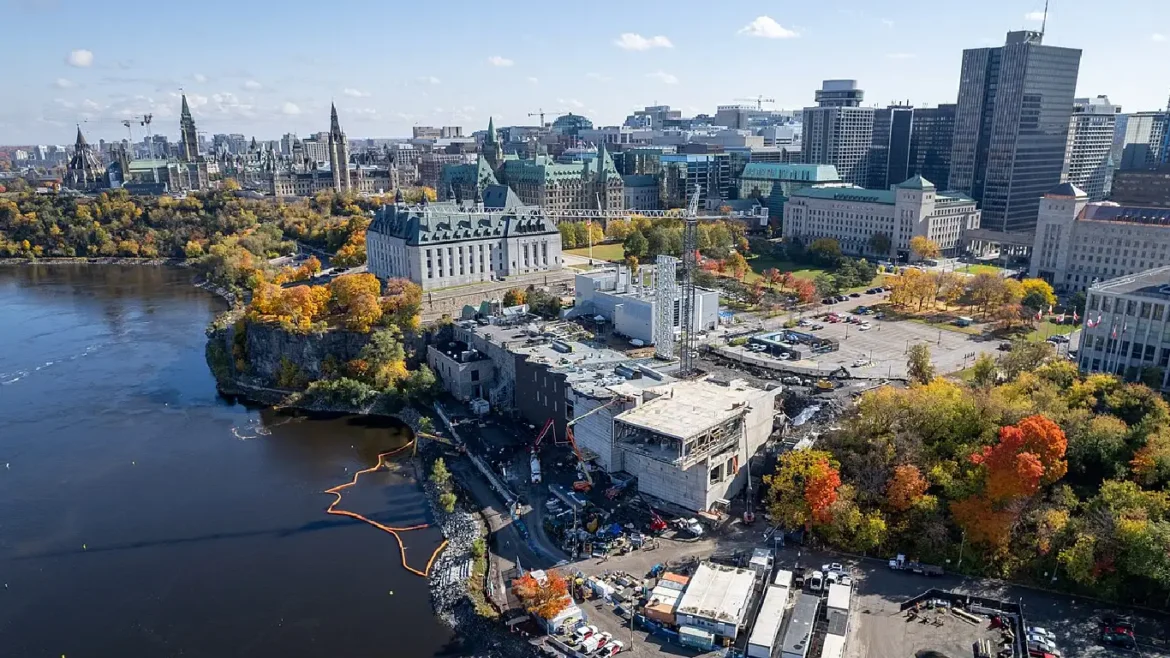
Ottawa is a city that doesn’t try to be first. It doesn’t shout or show off, but lives thoughtfully, reliably, and with an eye for detail. For a Canadian tired of the rat race, it’s an ideal place.

Housing here is comfortable and relatively affordable. From the historic streets of Centretown and the Glebe to newer suburbs with energy-efficient homes in Kanata or Orleans, there’s a wide choice. Rents can be two to three times lower than in Toronto, but the quality of life is just as high, if not higher in some respects.

Ottawa is the nation’s capital, and that’s more than just a title. It brings stability, beautiful parks, and national institutions. But it also gives the city a certain character: professional, orderly, and grounded.

Transit is well-developed. You can get to Montreal by train or bus in about two hours. The O-Train light rail system is expanding, and bike paths are everywhere. Many people work for the federal government or in tech and live in Ottawa for the quality of life. After all, in the evening, they find calm in the vastness of Gatineau Park or on a quiet patio in the ByWard Market.
Pages: 1 2

Cities

Hamilton: Rising from the Ashes of an Industrial Past

by cms@editor March 4, 2026
written by cms@editor

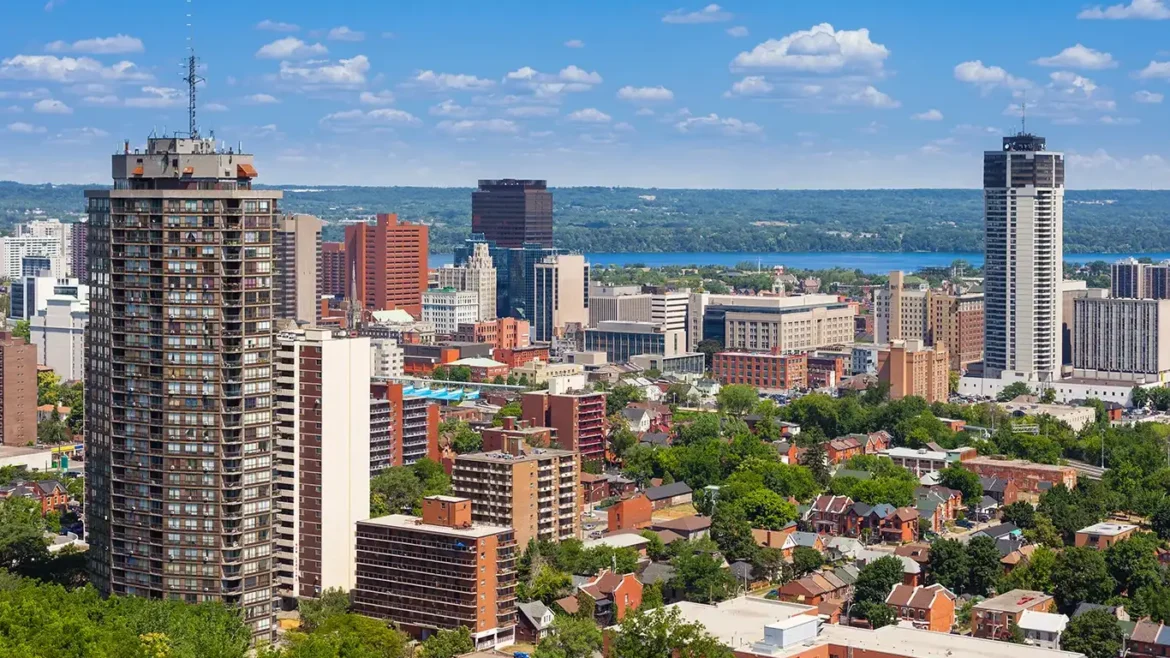
Hamilton was long considered the “steel city” – a grey, industrial hub. Today, however, it’s one of the most dynamic and rapidly changing cities in Canada. Those who remember the smoke and grit of the ’80s and ’90s are amazed: how is such a transformation possible?

The key is reinvention. Former industrial sites are becoming museums, concert halls, and artistic spaces. The waterfront, once dominated by industry, is now lined with parks and trails. Industrial heritage has become a source of pride, not shame.

Housing in Hamilton is among the most affordable in the Greater Toronto and Hamilton Area (GTHA). For $1,800–$2,200 a month, you can rent a nice apartment in the downtown core or in older neighbourhoods on the Mountain. And newer subdivisions in Stoney Creek or Ancaster, with their backyards and garages, are attracting young families, especially those priced out of Toronto.

The surrounding nature is surprisingly beautiful. The Niagara Escarpment (the “Mountain”), with its waterfalls and Bruce Trail access, the Royal Botanical Gardens, and Lake Ontario are within a half-hour drive. In winter, there are ski hills nearby; in summer, swimming and hiking. Hamiltonian’s stopped being ashamed of their city long ago – they’re proud of it.

Pages: 1 2

Cities

Montreal is the Smart Choice for Those Who Value Balance

by cms@editor March 4, 2026
written by cms@editor

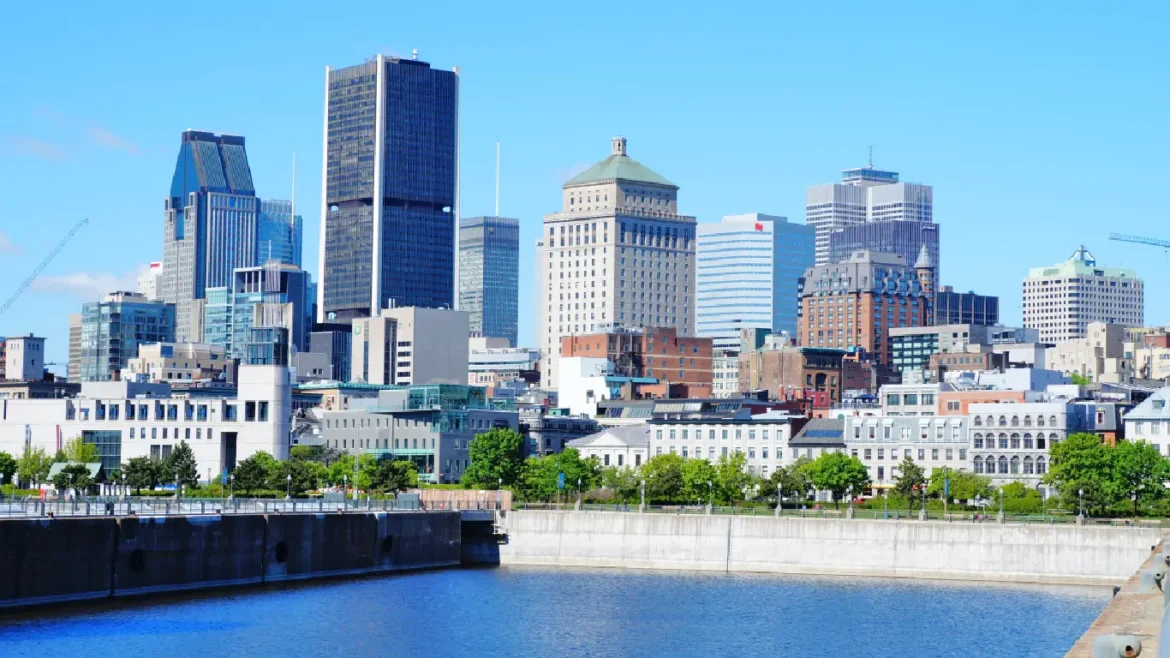
Montreal is often called the “second city” of Canada, but that’s not an insult – it’s a statement of fact. The city offers almost everything the bigger metropolises do: universities, tech companies, theatres, incredible restaurants – but without the crowds, the tourist hordes, and the sky-high prices. For many Canadians, it’s the perfect compromise.

Housing here is 1.5 to 2 times cheaper than in Toronto or Vancouver. For $1,500 to $1,800 a month, you can rent a spacious two-bedroom apartment, even in the Plateau or Mile End. And in neighbourhoods like NDG or Rosemont, you can find a comfortable duplex with a small backyard. Plus, the infrastructure is well-developed: schools, hospitals, and shopping centres are plentiful.

Transit is convenient, though there’s no metro in every corner. The STM’s buses and metro lines run frequently, and cyclists are actively supported with an extensive network of bike paths (and the popular BIXI share system). Many people commute by bike, especially in the summer when the city comes alive with greenery and street-side cafés.

Montreal is a student city, and it feels like one. Its youth gives it a vibrant, laid-back atmosphere, but not chaos. Evening quiet is generally respected, but fun isn’t forbidden, especially in the summer months with festivals like Just for Laughs, the Montreal International Jazz Festival, and Mural Festival.

Pages: 1 2

Cities

Toronto is a City of Opportunity, But Not for Everyone

by cms@editor March 4, 2026
written by cms@editor

For many Canadians, Toronto isn’t just the largest city; it’s a symbol of success. It boasts the highest average salaries, top-ranked universities, a massive hub for international corporations, and a vibrant, non-stop cultural scene. However, living in Toronto means paying for it not just with money, but with your peace of mind. The city attracts, but not everyone can handle its relentless pace.

The biggest issue is housing. Even in outer suburbs like Scarborough or Etobicoke, the average rent for a two-bedroom apartment can range from $2,800 to $3,500 a month. And in the downtown core, that can easily climb to $4,000–$6,000+. Many young families are forced to squeeze into small condos or leave the city entirely, spending hours commuting on the GO Transit or battling highway traffic.

Transit, however, is extensive. The TTC’s subways, streetcars, and buses cover the city, and the GO network connects the broader region. While not always running with “Swiss precision,” it’s possible to live without a car – a huge advantage given the congestion and the cost of downtown parking. Cycling infrastructure is growing, with new bike lanes, though it still lags behind cities like Montreal or Vancouver.

Nature is accessible: the Toronto Islands, High Park, the Don Valley ravine system, and even the nearby Niagara Escarpment are within an hour’s reach. Torontonians know how to find their own “islands of calm” even in the core: quiet courtyards, leafy parks, and the waterfront trails. It’s their way of maintaining balance.

Pages: 1 2

Life

The Cottage, The Garden, The BBQ: Why Canadians Crave a Piece of Land

by cms@editor March 4, 2026
written by cms@editor

Almost every Canadian dreams of a cottage. Not necessarily a mansion with a pool, but a simple cabin by a lake, a rustic place in the woods, or even just a well-loved cabin on a rented crown land lot – anywhere that’s quiet, has a bit of land, and offers the chance “to be alone, but not lonely.” This desire isn’t about wealth – it’s about freedom.

The history is clear: for generations, the cottage or camp has been an escape. It was often built with salvaged materials, by hand, without fussy permits, but it was *yours*. Today, we don’t have the same constraints, but the desire remains.

The garden is sacred. That’s where you grow tomatoes, herbs, maybe some zucchinis. Not because they’re cheaper, but because they’re *yours*. And when you give someone vegetables from your garden, it’s a greater gift than store-bought flowers.

The BBQ isn’t just a grill – it’s a symbol of community. A Saturday afternoon: friends bring over some craft beer, kids run around on the lawn, someone is at the grill with burgers and sausages. No one’s watching the clock, no one’s counting calories. It’s a pure, uncommercial moment.

Pages: 1 2

Life

Canadian Fatalism: Why We Say “It Is What It Is”

by cms@editor March 4, 2026
written by cms@editor

“Well, it is what it is.” This phrase is the Canadian equivalent of stoicism. It’s not about giving up – it’s about realism, often with a hint of wry acceptance. Canadians don’t necessarily believe the world can be changed with grand gestures. We believe it can be gotten through – with humour, resilience, and a healthy dose of practicality.

This attitude has roots in our geography and history: vast, often harsh landscapes, the legacy of colonial rule, the quiet endurance of being a middle power navigating a world of superpowers. We learned that huge expectations often lead to huge disappointments. It’s better to expect a little – and enjoy the small pleasures.

At work, this shows up as “do what you have to do, but don’t hold your breath for promises.” The boss hints at a bonus? “Yeah, right…” No one holds their breath, but everyone does their job. Not out of blind loyalty, but out of personal pride.

In politics, this fatalism is strongest. Elections? “They’re all the same anyway.” Protests? “Who actually goes to those?” And yet – when faced with extreme injustice, Canadians will stand up. But only when they really have to.

Pages: 1 2

Life

Neighbourly Relations: Between Help and Distance

by cms@editor March 4, 2026
written by cms@editor

In Canada, there’s a neighbourhood paradox: a neighbour is someone who’ll lend you a cup of sugar, but might not know your last name. Our neighbourly relations are pragmatic, but often bounded. We’ll help when needed – but we won’t pry into why you needed the sugar in the first place.

In smaller towns, it’s different. There, a neighbour knows when you’re going on vacation, how many kids you have, and what kind of car you drive. And if you need help fixing a fence, they’ll show up – no need to call. But even there, a rule applies: don’t interfere unless you’re asked.

In the city, the distance is greater. In a condo tower, you might go years without knowing who lives next door. But when it snows, suddenly everyone is outside – each person clearing their own little section of the sidewalk. No one says it out loud, but everyone knows: that’s your part to do.

This culture has roots in our history, from the quiet resilience of early settlers to the more reserved nature of Northern climates. We learned to be self-reliant. Today, we’re not suspicious, but a certain cautiousness remains. We don’t often ask about politics, religion, or salary. These are personal matters – and about those, we are quiet.

Pages: 1 2

Life

Sunday Calm: The Rituals That Define Us

by cms@editor March 4, 2026
written by cms@editor

For a Canadian, a beer isn’t just a drink – it’s a part of the social fabric. Every region has its favourite: a local craft IPA, a classic lager from a big brewery, a Moosehead from the Maritimes, a Sleeman’s from Ontario… But the brand isn’t the point; the ritual is. The Friday afternoon “beer o’clock” after work, the Saturday get-together at a friend’s place or a local pub, the Sunday afternoon “cold one” while watching the game – these are the pillars of our week.

The local pub, tavern, or legion hall isn’t just a place to drink. It’s a “third place” – between home and work. That’s where you debate politics, plan a cottage trip, or commiserate over a hockey loss. The bartender knows everyone: what they drink, the names of their kids, when their birthday is. And crucially – they don’t intrude unless you engage them.

Sunday has a special, sacred quality for many. Stores have different hours, the pace of life slows down, and a sense of calm settles in. Canadians often do very little – and that’s perfectly acceptable. A walk in a ravine or park, a barbecue on the deck, a family dinner. Sunday is a time for doing nothing with dignity. Whoever works on a Sunday (outside of essential services) is either new to the country or has serious problems.

This rhythm is deeply rooted in our history, shaped by pioneer resourcefulness and a cultural appreciation for work-life balance that has become a modern hallmark. Canadians carved out their own islands of leisure and defend them fiercely. Even today, in the age of constant emails, many people “save themselves” for the weekend.

Pages: 1 2

Life

Straight Talk and Quiet Care: How Canadians Communicate Without Words

by cms@editor March 4, 2026
written by cms@editor

In Canadian society, a great deal is said between the lines. We aren’t a land of grand gestures or loud declarations. Instead, we value modesty, a certain self-deprecating humour, and the ability to “get to the point.” When someone talks too much, it automatically raises suspicion. It’s better to be quiet, listen, and act. This approach is deeply embedded in our mindset – from a small town in the Maritimes to a boardroom in Vancouver.

“Straight talk” is often mistakenly seen as bluntness. In reality, it’s honesty without embellishment. A Canadian might say, “That’s not going to work,” instead of “Perhaps we could consider an alternative approach.” It’s not rudeness – it’s respect for the other person’s time. Similarly, care is often communicated through actions: a neighbour brings over a casserole when someone is feeling down, or a friend shovels your driveway without being asked when they see you’re swamped. Words feel unnecessary.

At work, this style manifests as “stop talking, start doing.” A boss who walks around making small talk is viewed with suspicion. Real respect is earned by the person who can quietly and effectively solve a problem. Meetings? Better keep them short and on-topic. PowerPoint presentations? Only if absolutely unavoidable.

A similar dynamic plays out in families. Fathers are often known for “the look.” Kids know that when Dad raises an eyebrow, it’s worse than yelling. And partners? They know that when one says, “Do whatever you want,” what’s often meant is, “You’ll do what I’m thinking, and we both know it.”

Pages: 1 2

Newer Posts
Older Posts

Recent Posts

  • Hobby Groups and Clubs: How Canadians Find Community Outside of Work
  • Foraging for Mushrooms and Berries: A Tradition That Teaches Patience
  • The Local Pub as a Third Place: Between Home and Work
  • The Cottage Dream: Why Every Canadian Longs for Their Own Piece of Land
  • The Sunday Walk in the Woods: A Ritual That Connects Generations

2026

civivmaca.com
We use cookies to improve website performance and user experience. If you continue to browse the site, you agree to the use of cookies. You can disable cookies at any time.