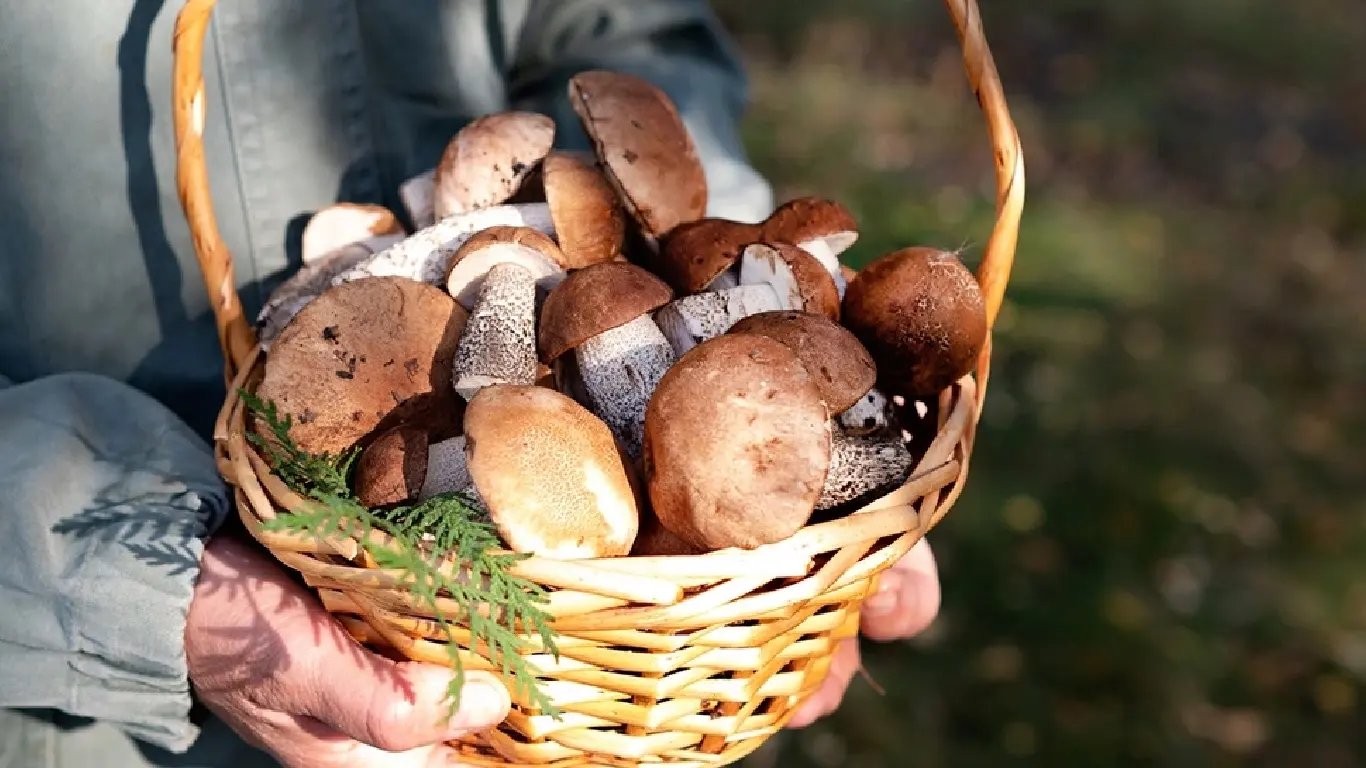
Every year, as soon as the late summer rains come and the weather warms, Canadian forests fill with foragers. They aren’t just hikers – they are hunters, experts, lovers of quiet. Foraging for wild foods isn’t just a hobby – it’s a philosophy.
Advertisement
It teaches patience. You can’t run and gather. You have to walk slowly, observe, identify. Each species has its place: chanterelles near hardwoods, morels in disturbed ground after a forest fire, blueberries on rocky outcrops, raspberries along sun-drenched paths. And if you don’t know – you don’t pick. Safety and respect are the first rules.
Families often go together. Kids learn from grandparents: “This one’s good to eat, that one’s not.” This passing down of knowledge from generation to generation is a living tradition you can’t find in books.
Foraging isn’t just about food. It’s about connecting with the land. When you hold a freshly picked chanterelle or a handful of wild blueberries, you feel a sense of respect for the forest. And that’s why you never trample the mycelium, you don’t tear up the moss, you leave no trace.