
Home Housing
Category:

Housing

Advertisement

To some, the post-war apartment building, like the iconic “St. James Town” towers in Toronto or the low-rise walk-ups found across the country, might seem like a relic of a grey, utilitarian past. But for many Canadians, they represent one of the most sensible housing choices – practical, affordable, and functional. Far from any ideology, it’s just good sense.

Price is the main advantage. Rent in an older apartment building is often 30-50% lower than in a brand-new luxury condo tower. And even buying a unit in a well-maintained older co-op or condo can be accessible: in many mid-sized cities, you can find a two-bedroom for a fraction of the cost of a new build.

Location is another major plus. Most of these apartment neighbourhoods were built with purpose: close to schools, shopping, and public transit. In Toronto – St. James Town, Thorncliffe Park; in Vancouver – the West End; in Ottawa – Overbrook. Everything is well-connected.

Renovations have changed both the look and function. Many older apartment buildings have undergone major upgrades: new windows, added insulation, modern elevators, updated balconies. Some renovated units are more comfortable than new builds, thanks to solid construction and better layouts.

The community in these buildings can often be stronger than in a detached house neighbourhood. Neighbours know each other, watch out for each other’s kids, and lend a hand. And in a crisis (a major snowstorm, a power outage), someone is always there to check in.

Building management is centralized – you don’t have to worry about fixing the roof or the boiler yourself. Strata fees or maintenance charges are predictable, and often lower than the total cost of maintaining a house.
Pages: 1 2

Advertisement

Many people believe that improving energy efficiency requires a complete, expensive renovation. But in Canada, experienced homeowners know: even in a post-war bungalow or an old Victorian house, you can achieve significant savings – without tearing down walls or spending a fortune.

Step one – diagnosis. An energy audit, often partially subsidized by government programs, costs a few hundred dollars but provides a detailed picture of where your home is losing energy. Most common culprits: windows, doors, the attic, and the basement.

Step two – insulating the attic. If you have an attic, adding insulation is the single most cost-effective measure you can take. Adding a thick layer (16-20 inches or more) of blown-in cellulose or fiberglass can make a huge difference. Payback period: 3-5 years. Federal and provincial grants (like the Canada Greener Homes Grant) can cover a significant portion of the cost.

Step three – improving windows. If you can’t afford new windows, consider interior storm window inserts or exterior storm windows. Cost: $50–$200 per window, savings: can reduce heat loss through the window by up to 30%.

Step four – weatherstripping doors. Self-adhesive foam tape, door sweeps, and door shoes are all available at any hardware store. This is especially important for the front door and any door leading to an unheated garage or basement.

Step five – upgrading your heating system circulator pump (for hydronic systems). An old cast-iron circulator pump can use 300–500W, while a new high-efficiency model uses only 30–50W. Savings: up to 80%. Cost: $300–$800, payback: a couple of years. For forced-air systems, ensuring your furnace blower motor is efficient (ECM motor) helps too.

Pages: 1 2

Advertisement

In Canada, waste sorting systems are no longer just an “eco-trend” – they’re a part of daily municipal life. However, not everyone realizes that proper sorting can directly affect how much you pay for garbage collection. Many municipalities use a user-pay system, often through garbage tags or variable bin sizes: the more waste you throw out, the more you pay.

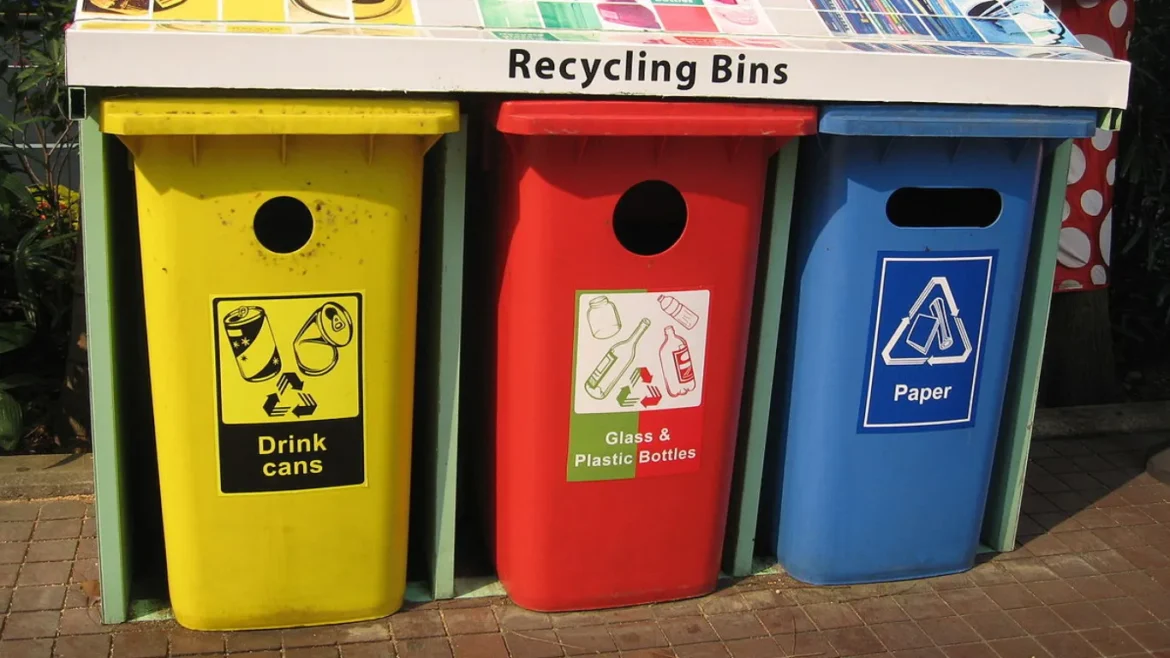
Garbage (landfill waste) is the most expensive stream. It’s collected less frequently in many areas, and its volume is something you want to minimize. So, the first rule is to reduce your garbage as much as possible. Food scraps go into the green bin (organics), recyclable containers go into the blue bin, and paper/cardboard into the designated recycling stream.

Organics (green bin) collection is often included in your base property taxes or utility fee and is a very cost-effective way to divert waste from the landfill. Composting, whether municipal or backyard, reduces the burden on landfills and creates valuable soil amendment for gardens. Important note: don’t put compostables in plastic bags – use compostable paper bags or simply line your kitchen catcher with newspaper.

The blue bin is for recyclables: plastic bottles and containers, metal cans, aluminum foil, and clean paper cups and cartons. Items should be rinsed clean – contamination can cause entire batches to be sent to landfill. And importantly: soft plastics like plastic bags and overwrap often go to specific depot recycling, not always in the curbside blue bin (check your local rules). Non-recyclable plastics (like some black plastic or bulky plastic toys) are garbage.

Paper and cardboard – often in a separate stream or a blue bin. Newspapers, cardboard boxes, office paper, magazines. But not: greasy pizza boxes (compost them!), waxed paper, or paper towels (garbage or compost).

Pages: 1 2

Advertisement

The question of “rent or buy” is on the mind of almost every Canadian family today. Home prices have seen some stabilization, and while mortgage rates have eased slightly from their peaks, they remain elevated compared to the historic lows of the past decade. So, what’s the wiser choice – renting or buying?

If you plan to live in one place for less than 7-10 years, renting is almost always the more financially flexible option. You don’t pay property taxes, you’re not responsible for major repairs like a new roof or furnace, and you don’t have to worry about selling the place if you need to move. It offers flexibility – you can relocate for a new job or a change of scenery without the complications of selling a home.

But, if you have a stable job, have or are planning to have children, and intend to stay put, owning a home makes more sense. After 10–12 years of mortgage payments, your monthly housing costs (just the interest, taxes, and maintenance) can often be lower than equivalent market rent, and you’re building equity. Eventually, the mortgage is paid off, and you’re left with property taxes and maintenance – essentially “living for much less.” Plus, you have full control over your space: you can paint, renovate, get a dog, and landscape as you please.

It’s crucial to account for the hidden costs of owning. These include property taxes, strata fees (in a condo), home insurance, maintenance and repair funds, and utilities. For renting, the hidden costs are potential above-guideline rent increases, a lack of control over renovations, and no financial return on the money you pay each month.

Governments support home buyers through programs like the First-Time Home Buyer Incentive (though it’s being wound down), the ability to withdraw from your RRSP for a down payment through the Home Buyers’ Plan, and the Tax-Free First Home Savings Account (FHSA). Mortgage interest isn’t directly tax-deductible for primary residences in Canada, unlike in some other countries.

Pages: 1 2

Advertisement

With rising energy costs, heating has become one of the biggest expenses for most Canadian families. However, experienced homeowners have long known: even in an older house or apartment, you can significantly reduce your heating bills – without major renovations or massive investments.

The first rule is not to overheat your home. The ideal temperature for living spaces is 20–21°C (68–70°F). Every degree above that increases your heating consumption by 6–8%. It’s especially important to lower the temperature at night and in unoccupied rooms – down to 16–17°C (61–63°F). Modern thermostatic valves on radiators, or a programmable smart thermostat for forced-air systems, can do this automatically.

The second step is fighting drafts. Even new windows can have gaps. Simple weatherstripping costs around $10–$20 for a roll and can be installed in an hour. If you have older windows, make sure they lock tightly, or use heavy curtains. This creates an air gap and can reduce heat loss by 10–15%.

The third principle is proper ventilation. Many people leave windows slightly open all day, thinking it’s for “fresh air.” In reality, this is a massive waste of heat! It’s better to ventilate intensely 3–4 times a day for 5–10 minutes. This removes humidity and stale air while retaining the heat.

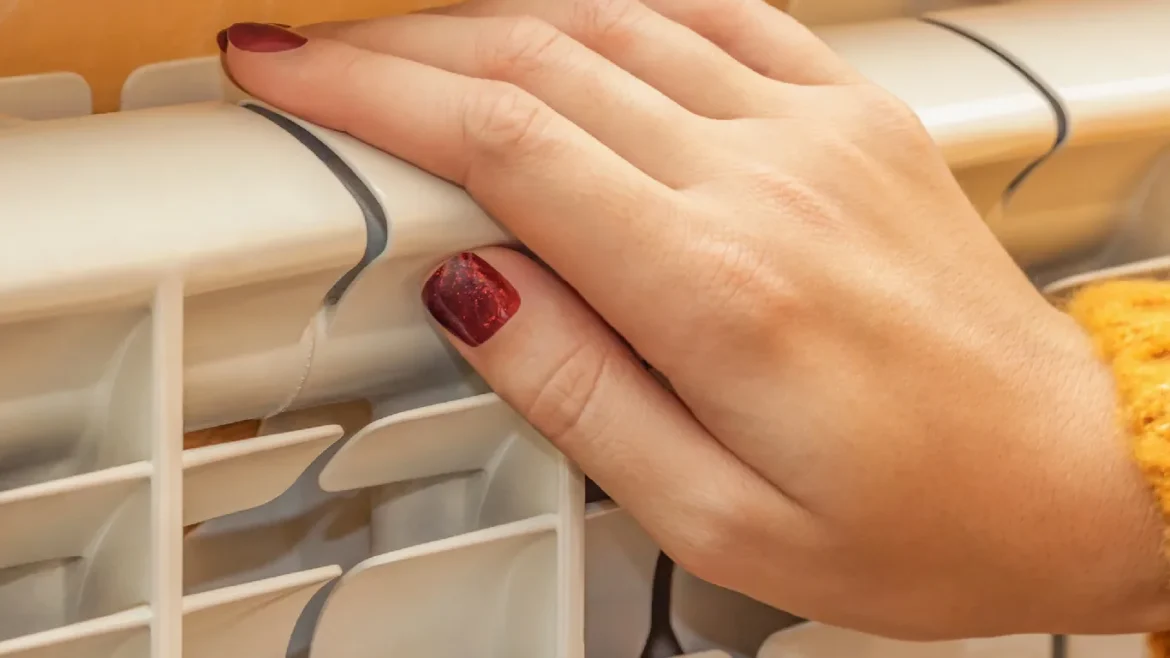
The fourth point is furniture placement. Never put a couch or a large cabinet directly in front of a radiator or a heating vent. This blocks the circulation of warm air and forces your system to work harder. Even a small gap of 10 cm (4 inches) can improve efficiency by about 5%.

The fifth tip is using reflective foil behind radiators. Aluminum foil or a specialized reflective panel placed behind a radiator on an exterior wall reflects heat back into the room, rather than letting it escape into the wall. It costs very little, but the effect is noticeable, especially in homes with uninsulated walls.

Pages: 1 2

Advertisement