
Home Leisure
Category:

Leisure

Advertisement

In Canada, almost everyone “belongs” to something outside of work. It could be a choir, a volunteer fire department, a historical re-enactment group, a cycling club, a knitting circle, or even a meditation group. These communities are the invisible threads that hold Canadian society together.

From childhood, we’re introduced to this: hockey practice, Scouts or Guides, music lessons, dance class. This often continues into adulthood. Because we know: people need to belong – not just to family, but to a group of people who share their interests.

In smaller towns, this is even stronger. The volunteer fire department isn’t just about fighting fires. It’s a hub of social life: they organize dances, community breakfasts, and Christmas parties. Everyone has a role – and everyone is needed.

In cities, clubs are more diverse: yoga studios, running groups, coding meetups, language conversation circles. But the spirit is the same: sharing, learning, helping each other.

Pages: 1 2

Advertisement

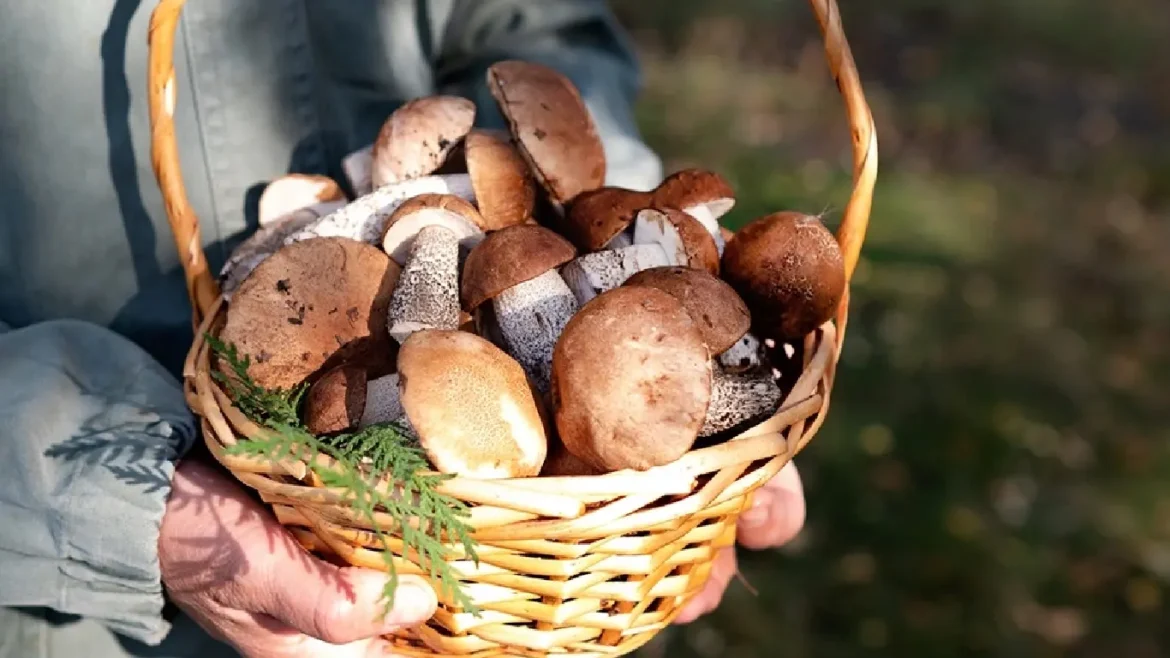
Every year, as soon as the late summer rains come and the weather warms, Canadian forests fill with foragers. They aren’t just hikers – they are hunters, experts, lovers of quiet. Foraging for wild foods isn’t just a hobby – it’s a philosophy.

It teaches patience. You can’t run and gather. You have to walk slowly, observe, identify. Each species has its place: chanterelles near hardwoods, morels in disturbed ground after a forest fire, blueberries on rocky outcrops, raspberries along sun-drenched paths. And if you don’t know – you don’t pick. Safety and respect are the first rules.

Families often go together. Kids learn from grandparents: “This one’s good to eat, that one’s not.” This passing down of knowledge from generation to generation is a living tradition you can’t find in books.

Foraging isn’t just about food. It’s about connecting with the land. When you hold a freshly picked chanterelle or a handful of wild blueberries, you feel a sense of respect for the forest. And that’s why you never trample the mycelium, you don’t tear up the moss, you leave no trace.

Pages: 1 2

Advertisement

For a Canadian, a local pub or tavern isn’t just a place to drink. It’s a third space – between home and work. It’s where local politics are debated, vacations are planned, and you commiserate over a lost hockey game. It’s where friends who haven’t seen each other all week finally connect.

Every small town has its local legion hall or pub. Every city has its favourite neighbourhood bars. And everyone has “their” spot, where the bartender knows their name, knows their usual order, and won’t bother you unless you want to chat.

A beer is often part of it. But it’s not about the quantity – it’s the ritual. The first sip is a moment of appreciation. A simple nod of the head can replace a formal “cheers.” And crucially: you rarely drink alone. It’s a social act.

The pub is also a place where social divides fade. Side by side, you might find an accountant, a tradesperson, a teacher, and a retiree. Everyone is equal. No one flaunts status – only character.

Today, many pubs are evolving: there are more craft beers on tap, better food menus, and live music nights. But the core remains: calm, trust, and the option of anonymity when you need it.

Pages: 1 2

Advertisement

As early as the post-war era, when travel was more complicated and cities were growing, Canadians began building cottages and cabins on the edges of lakes and forests. Not for luxury, but for freedom: a place where they could be themselves, away from neighbours, rules, and noise.

This tradition lives on today. Even in the age of Airbnb and global travel, a private cottage remains a quintessential dream. It might be a rustic cabin on a Crown land lake, a cottage on a small island, or even a chalet in the mountains. The main thing is that it’s yours.

In the summer, people barbecue, relax on the dock, and grow vegetables. In the winter, they light the wood stove, play cards, and drink wine by the fire. Kids learn to chop kindling, fetch water, and build a campfire. This isn’t “survival” – it’s a connection to something real.

It’s especially appreciated when the cottage has no internet. Or the cell service is spotty. And that’s seen as a plus. No emails, no notifications – finally, time to read a book, talk with your partner, listen to the rain on the roof.

Pages: 1 2

Advertisement

For most Canadian families, Sunday doesn’t start with coffee in bed, but with lacing up comfortable shoes and heading outdoors. “Sunday walk in the woods” isn’t just a phrase; it’s a way of life. In the morning, parents pack a thermos of coffee or tea, kids fill their backpacks with snacks, and the whole family heads to the nearest trail in a conservation area, provincial park, or ravine.

It’s not a sport or an extreme adventure. It’s a walking ritual. No one is counting kilometres or checking a GPS. The main thing is to be together, breathe fresh air, listen to the birds, maybe spot some wildlife, or simply stroll side-by-side in comfortable silence. For seniors, it’s a way to stay active. For kids, it’s an adventure. For parents, it’s a rare chance to talk without screens or urgent matters.

Particularly popular trails are found across the country: the Don Valley trails in Toronto, Mount Royal in Montreal, Stanley Park’s seawall in Vancouver, the river valley trails in Edmonton, or the Cabot Trail in Cape Breton. But even in a small town, there’s always “our path” – known to every local.

In winter, the ritual doesn’t disappear – it transforms. A walk through a snow-covered forest, a stop at a local café for a hot chocolate, a sledding session with the kids. The main goal is to get out of the house and experience the rhythm of the seasons.

Pages: 1 2

Advertisement