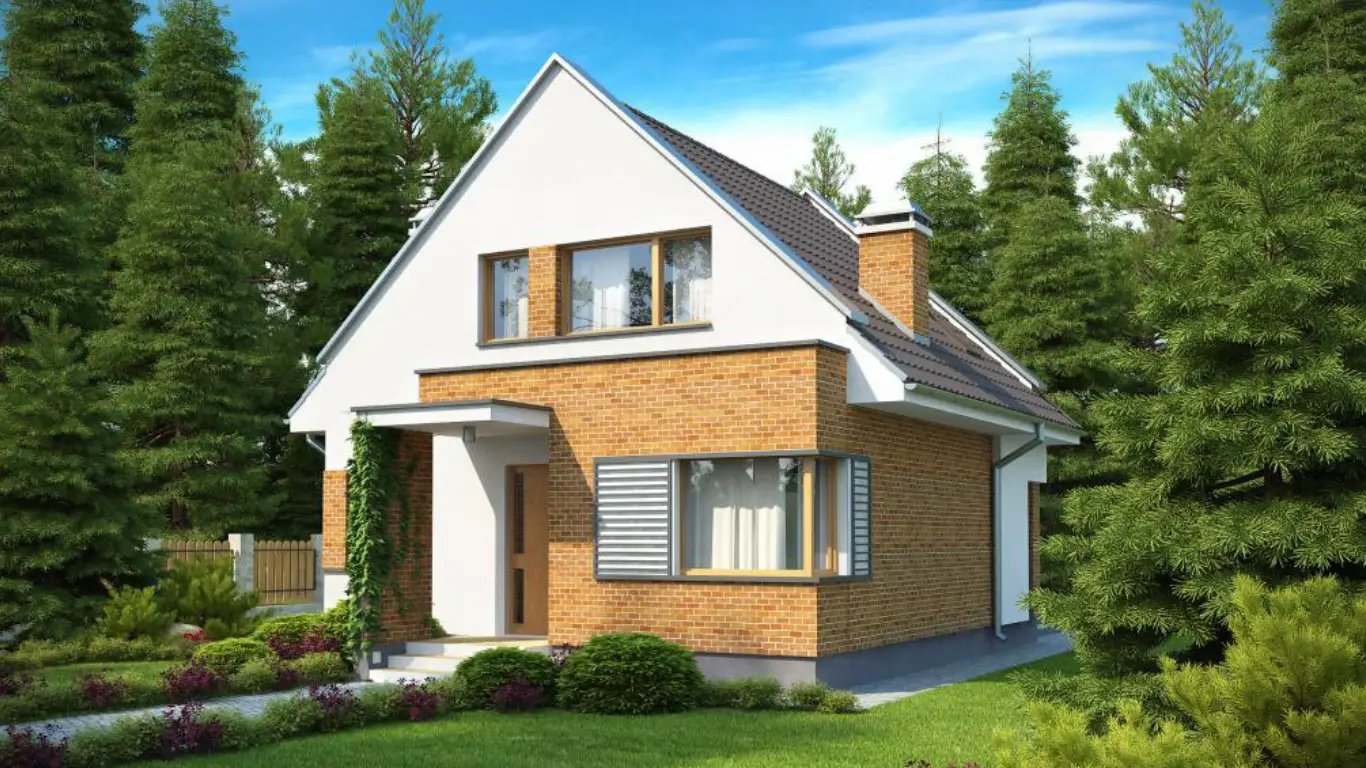
As early as the post-war era, when travel was more complicated and cities were growing, Canadians began building cottages and cabins on the edges of lakes and forests. Not for luxury, but for freedom: a place where they could be themselves, away from neighbours, rules, and noise.
Advertisement
This tradition lives on today. Even in the age of Airbnb and global travel, a private cottage remains a quintessential dream. It might be a rustic cabin on a Crown land lake, a cottage on a small island, or even a chalet in the mountains. The main thing is that it’s yours.
In the summer, people barbecue, relax on the dock, and grow vegetables. In the winter, they light the wood stove, play cards, and drink wine by the fire. Kids learn to chop kindling, fetch water, and build a campfire. This isn’t “survival” – it’s a connection to something real.
It’s especially appreciated when the cottage has no internet. Or the cell service is spotty. And that’s seen as a plus. No emails, no notifications – finally, time to read a book, talk with your partner, listen to the rain on the roof.