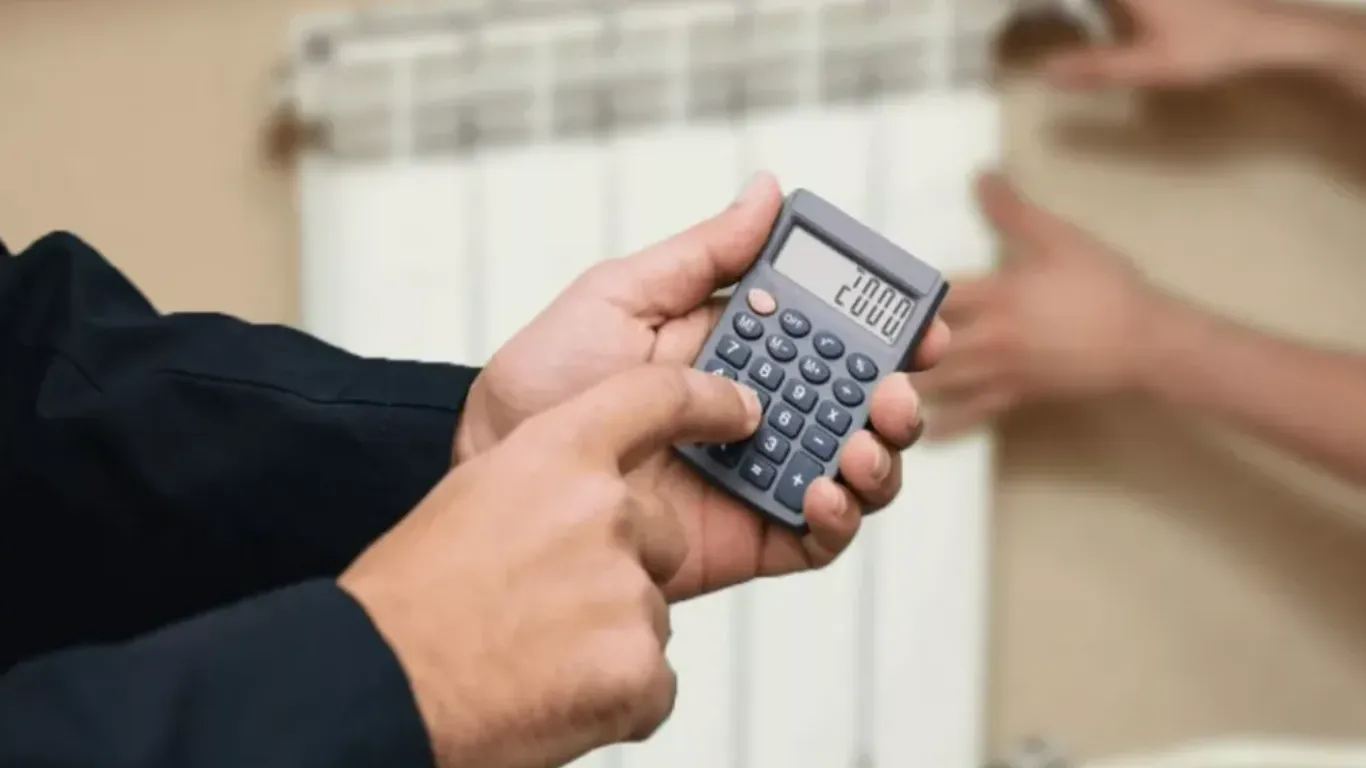
With rising energy costs, heating has become one of the biggest expenses for most Canadian families. However, experienced homeowners have long known: even in an older house or apartment, you can significantly reduce your heating bills – without major renovations or massive investments.
Advertisement
The first rule is not to overheat your home. The ideal temperature for living spaces is 20–21°C (68–70°F). Every degree above that increases your heating consumption by 6–8%. It’s especially important to lower the temperature at night and in unoccupied rooms – down to 16–17°C (61–63°F). Modern thermostatic valves on radiators, or a programmable smart thermostat for forced-air systems, can do this automatically.
The second step is fighting drafts. Even new windows can have gaps. Simple weatherstripping costs around $10–$20 for a roll and can be installed in an hour. If you have older windows, make sure they lock tightly, or use heavy curtains. This creates an air gap and can reduce heat loss by 10–15%.
The third principle is proper ventilation. Many people leave windows slightly open all day, thinking it’s for “fresh air.” In reality, this is a massive waste of heat! It’s better to ventilate intensely 3–4 times a day for 5–10 minutes. This removes humidity and stale air while retaining the heat.
The fourth point is furniture placement. Never put a couch or a large cabinet directly in front of a radiator or a heating vent. This blocks the circulation of warm air and forces your system to work harder. Even a small gap of 10 cm (4 inches) can improve efficiency by about 5%.
The fifth tip is using reflective foil behind radiators. Aluminum foil or a specialized reflective panel placed behind a radiator on an exterior wall reflects heat back into the room, rather than letting it escape into the wall. It costs very little, but the effect is noticeable, especially in homes with uninsulated walls.