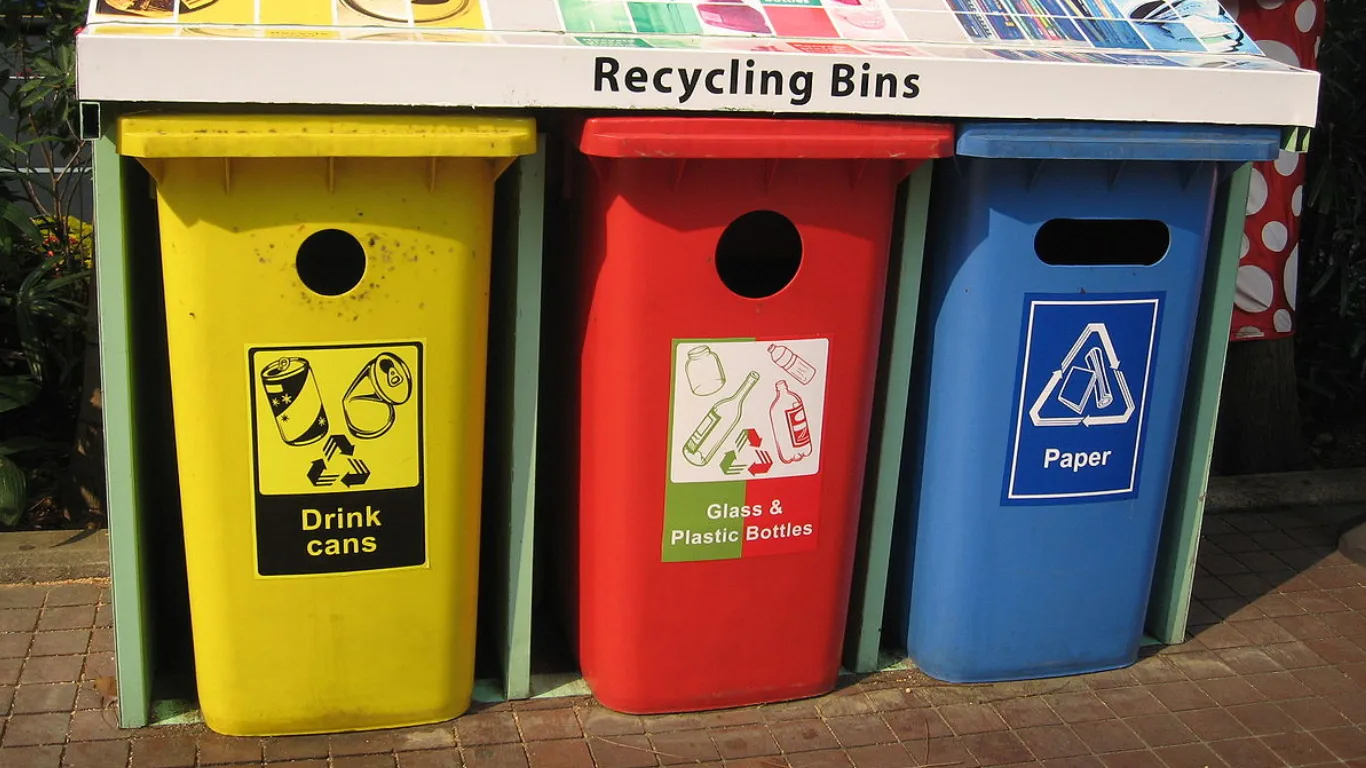
In Canada, waste sorting systems are no longer just an “eco-trend” – they’re a part of daily municipal life. However, not everyone realizes that proper sorting can directly affect how much you pay for garbage collection. Many municipalities use a user-pay system, often through garbage tags or variable bin sizes: the more waste you throw out, the more you pay.
Advertisement
Garbage (landfill waste) is the most expensive stream. It’s collected less frequently in many areas, and its volume is something you want to minimize. So, the first rule is to reduce your garbage as much as possible. Food scraps go into the green bin (organics), recyclable containers go into the blue bin, and paper/cardboard into the designated recycling stream.
Organics (green bin) collection is often included in your base property taxes or utility fee and is a very cost-effective way to divert waste from the landfill. Composting, whether municipal or backyard, reduces the burden on landfills and creates valuable soil amendment for gardens. Important note: don’t put compostables in plastic bags – use compostable paper bags or simply line your kitchen catcher with newspaper.
The blue bin is for recyclables: plastic bottles and containers, metal cans, aluminum foil, and clean paper cups and cartons. Items should be rinsed clean – contamination can cause entire batches to be sent to landfill. And importantly: soft plastics like plastic bags and overwrap often go to specific depot recycling, not always in the curbside blue bin (check your local rules). Non-recyclable plastics (like some black plastic or bulky plastic toys) are garbage.
Paper and cardboard – often in a separate stream or a blue bin. Newspapers, cardboard boxes, office paper, magazines. But not: greasy pizza boxes (compost them!), waxed paper, or paper towels (garbage or compost).