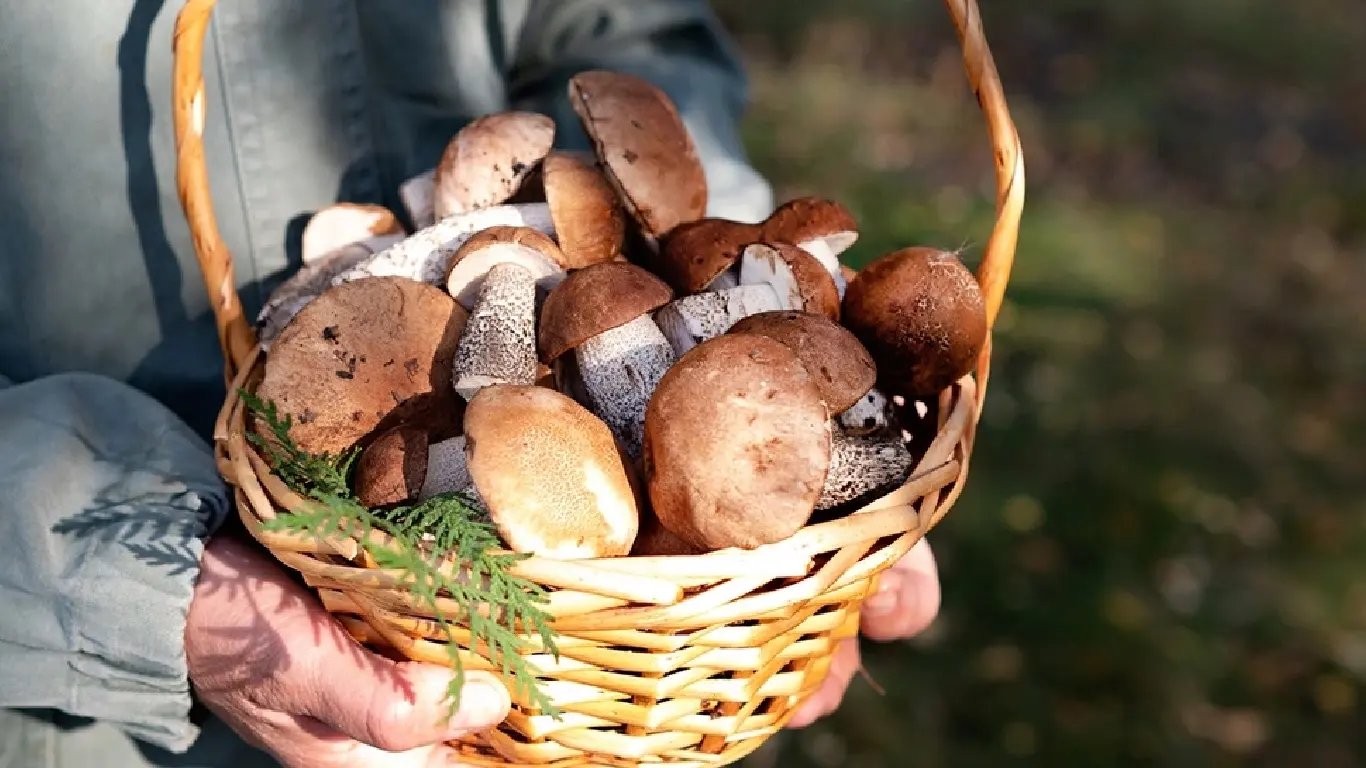
After returning home, another ritual begins: cleaning, preparing, cooking, drying, or preserving. And then – a meal featuring a wild mushroom risotto or a dessert with fresh-picked berries. Flavours you simply cannot buy in a store.
Advertisement
Provincial governments generally support foraging but regulate it: daily limits (often 2 litres of mushrooms per person), bans on using rakes (which damage the ecosystem), and restrictions in provincial and national parks. These rules aren’t meant to limit – they’re meant to protect.
Many people also forage for wild berries: blueberries, raspberries, blackberries, cranberries, and nuts like hazelnuts and black walnuts. These are turned into jams, syrups, pies, and liqueurs. Each year’s harvest is different – and that teaches humility.
Today, in the age of fast food and global supply chains, foraging is an act of resistance against uniformity. It’s a statement: “I want to know where my food comes from.”
And perhaps it’s this love of detail, of nature, of traditional knowledge that distinguishes the Canadian forager from others.
Because it’s not about the quantity. It’s about the quality – and the simple joy of the find.