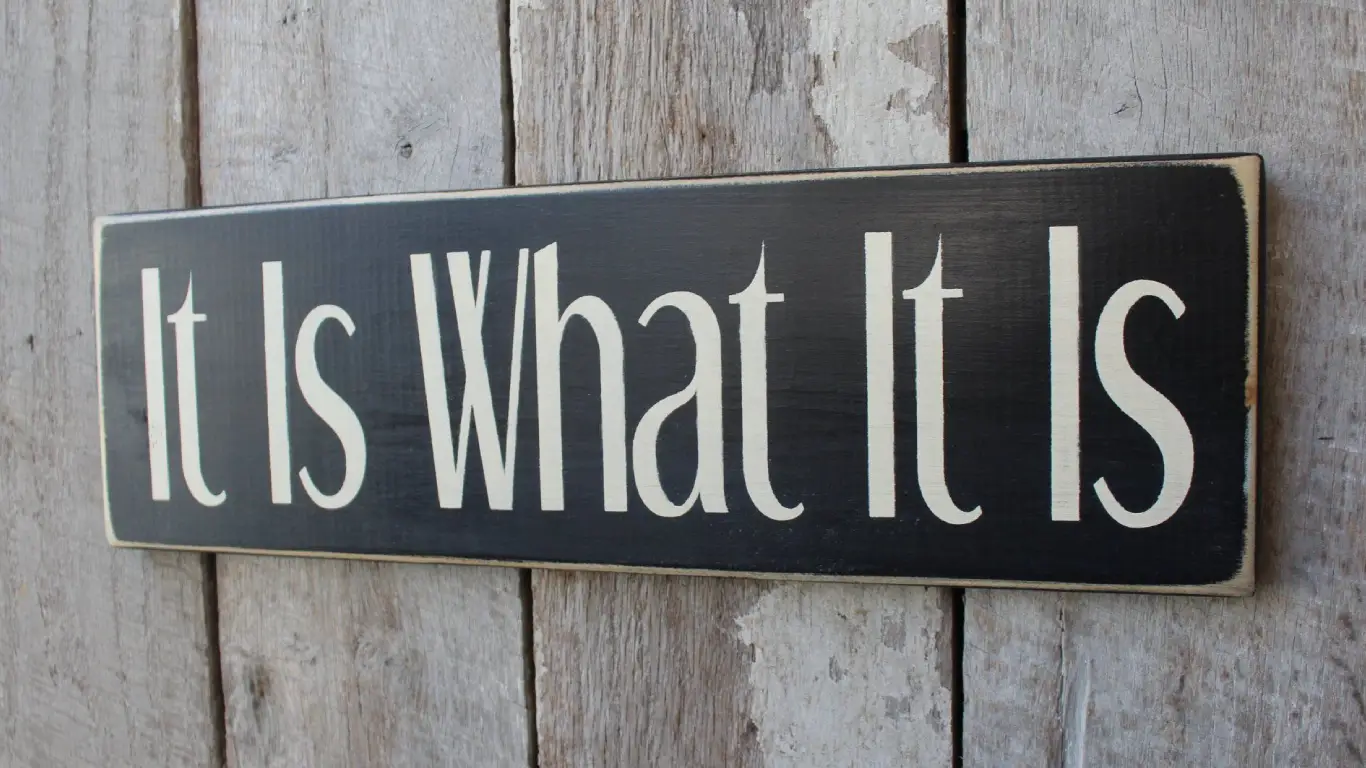
This approach has its advantages. Canadians are resilient in a crisis. Inflation? Rising energy costs? “Well, we’ll just have to tighten our belts.” There’s less panic – we simply adapt. This quiet resilience is a strength.
Advertisement
But it has a downside. Many people put off going to the doctor until they can’t stand it anymore. They avoid dealing with family problems until things boil over. And at work, they might suffer in quiet frustration instead of looking for a better job.
The younger generation is trying to shift this mindset. They want to actively tackle climate change, inequality, mental health. But even they will sometimes shrug and say, “Well, it is what it is…” – and then go for a hike or meet friends for a beer.
This mentality is reflected in our systems: they can be slow, bureaucratic, but generally stable. We don’t expect revolutions – we expect things to eventually work themselves out.
And perhaps there’s a hidden wisdom in this fatalism: you can’t always control the world, but you can find your own peace within it. Even if just for a while.